

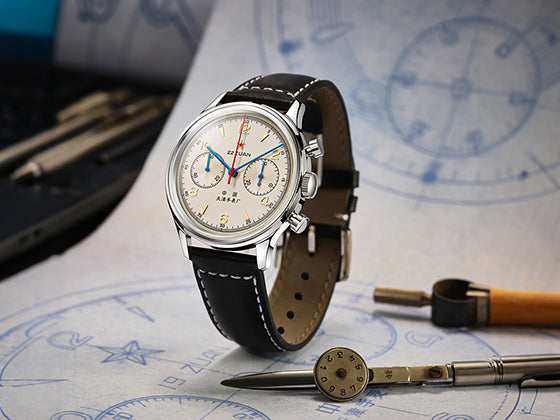
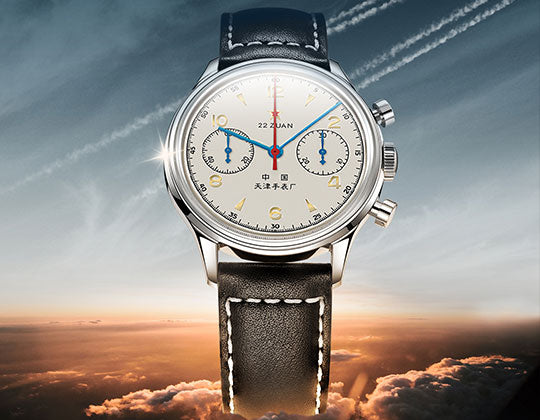
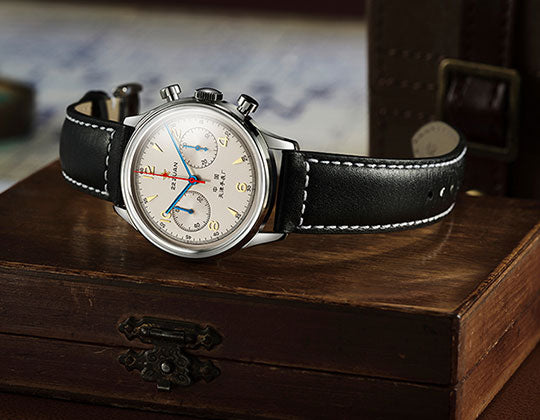
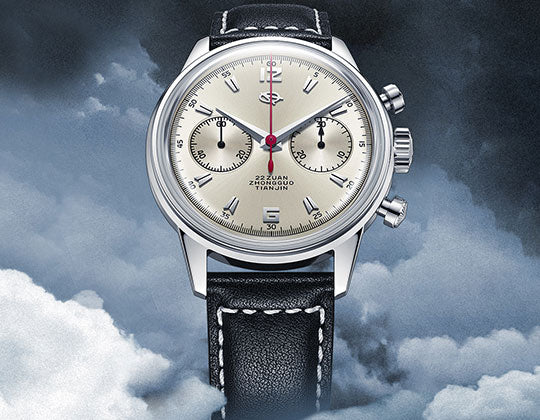
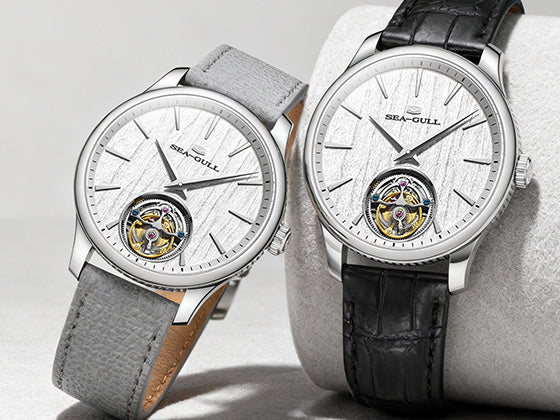
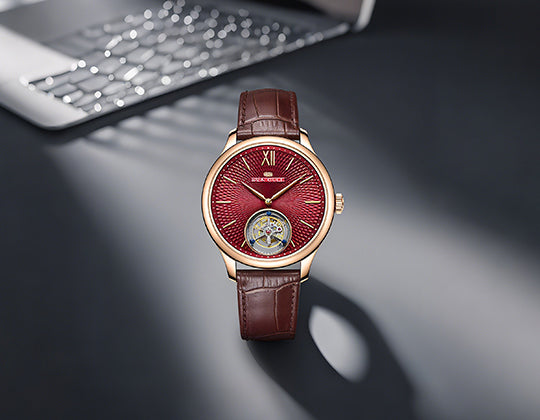
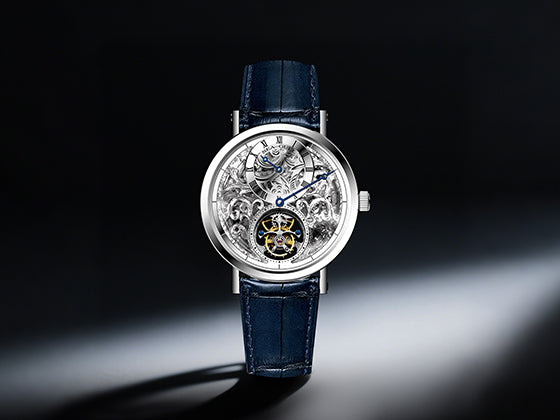
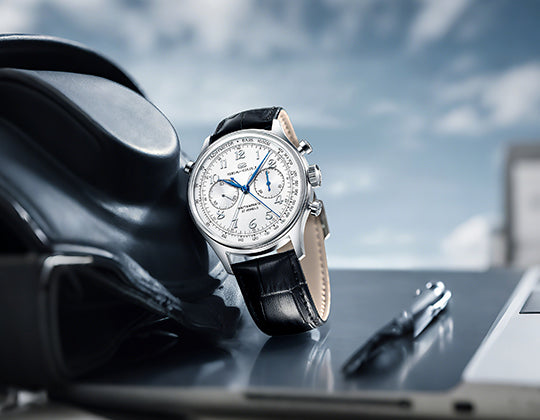
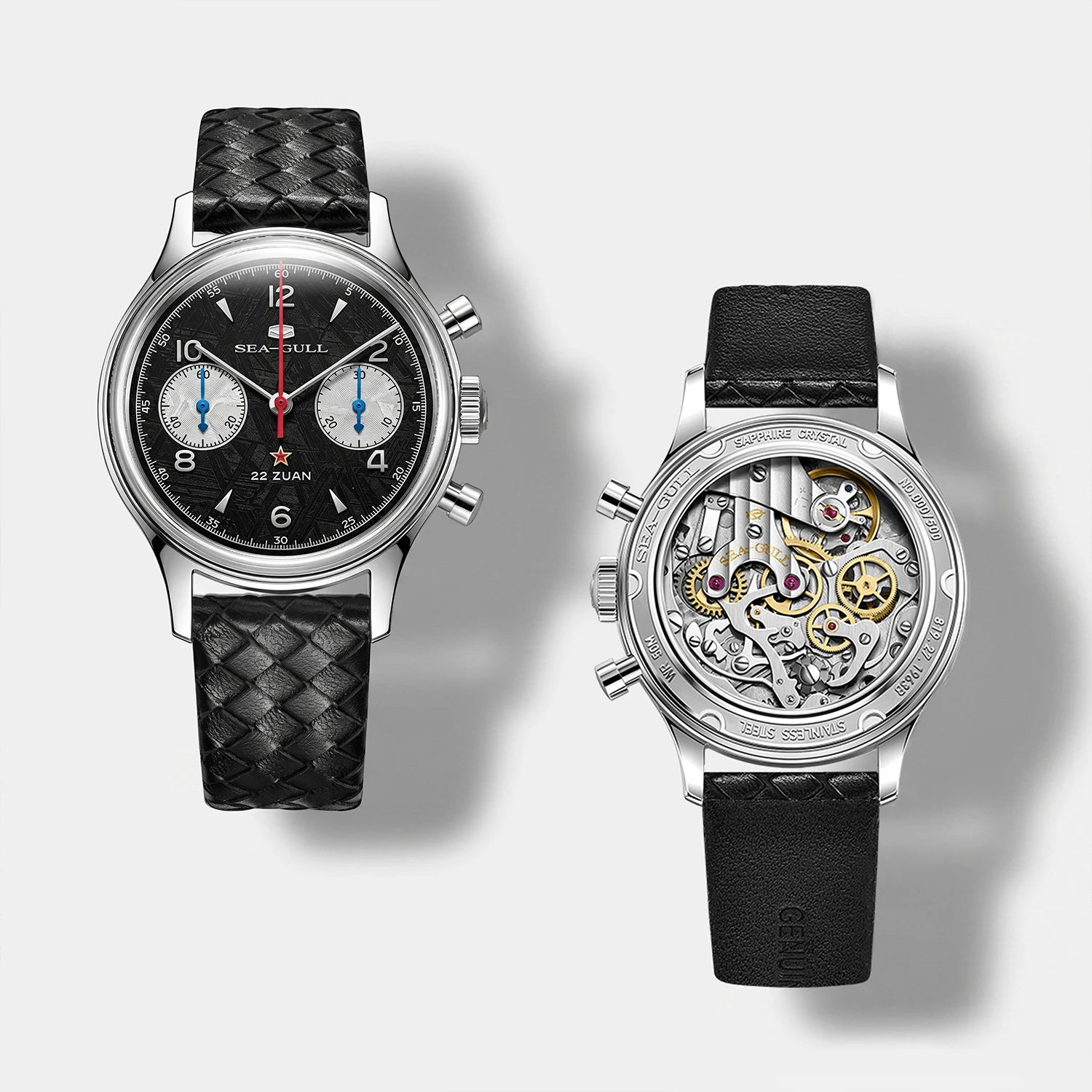

When people admire a mechanical watch, attention is often drawn to the dial, the case, or the design of the hands. Yet the most important part of any watch lies hidden beneath the surface — the watch movement.
Often described as the “heart” of a watch, the movement is the mechanism that powers the timepiece and controls how time is measured and displayed. Without it, a watch would simply be a beautifully crafted object with no function.
But what exactly is a watch movement, and why is it so important?
What Does a Watch Movement Do?
A watch movement is the internal mechanical system responsible for:
· Generating and storing energy
· Regulating the flow of that energy
· Driving the hands that display time
In a mechanical watch, this process happens entirely through a complex arrangement of miniature components working together in precise harmony.
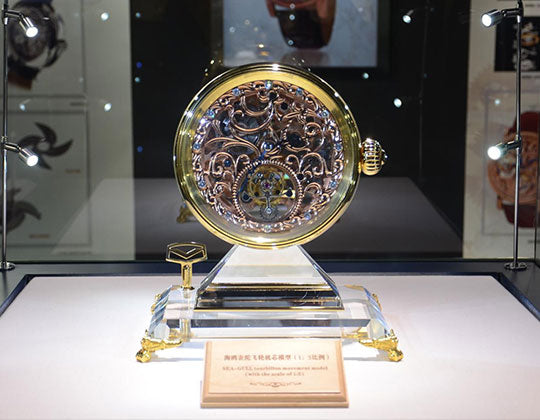
Depending on the type of watch, a movement may contain over one hundred individual parts, including gears, springs, levers, screws, and oscillating components.
Together, they form a self-contained mechanical engine designed to measure time accurately.
The Key Components Inside a Mechanical Movement
Although movements can vary in complexity, most mechanical watches share several fundamental components.
Mainspring
The mainspring stores the energy that powers the watch. When the watch is wound — either manually or automatically — the mainspring tightens and accumulates potential energy, which is gradually released to drive the movement.
Gear Train
The gear train transmits energy from the mainspring throughout the movement.
A sequence of carefully sized gears reduces the speed of the unwinding spring while transferring power to different functions of the watch, such as the seconds, minutes, and hour hands.
Escapement
The escapement regulates how quickly the stored energy is released. Without it, the mainspring would unwind almost instantly.
Working together with the balance wheel, the escapement divides time into equal intervals and produces the characteristic ticking sound associated with mechanical watches.
Balance Wheel
The balance wheel acts as the watch’s timing regulator.
It oscillates back and forth at a constant frequency, controlling the pace at which energy is released from the escapement. The stability of this oscillation is critical for maintaining accurate timekeeping.
Types of Watch Movements
While mechanical movements share the same fundamental principles, watch movements can generally be divided into three categories.
Manual Movements
Manual movements require the wearer to wind the crown periodically in order to tighten the mainspring.
These movements often feature simpler construction and are widely appreciated for their traditional watchmaking heritage.
Automatic Movements
Automatic movements include a rotor, a rotating weight that winds the mainspring through the motion of the wearer’s wrist.
This allows the watch to maintain its power reserve automatically during daily wear.
Quartz Movements
Quartz watches use a battery and an electronic oscillator rather than mechanical regulation. While extremely precise, they operate on completely different principles compared to mechanical movements.
Why the Movement Matters in Watchmaking
In many ways, the movement defines the character and value of a watch.
Two watches may appear similar externally, yet their movements can differ significantly in:
1.Engineering complexity
2.Manufacturing quality
3.Finishing and craftsmanship
4.Functional capabilities
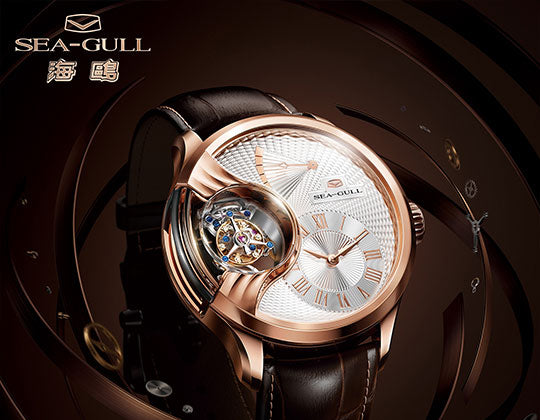
Some movements are designed purely for timekeeping, while others incorporate additional complications such as chronographs, calendars, moon phases, or tourbillons.
Because of this, watch collectors often pay as much attention to the movement as they do to the watch’s external design.
The Movement as the Core of Watchmaking
Throughout the history of horology, the development of watch movements has driven innovation in mechanical timekeeping. Advances in materials, precision manufacturing, and movement architecture continue to shape modern watchmaking.
For manufacturers that design and produce their own movements, this process represents not only technical capability but also a deep commitment to the craft of horology.
Understanding the movement is therefore the first step toward appreciating the true complexity behind every mechanical watch.