






One of the most common questions from new Seagull mechanical watch owners is:
"Why does my watch run slightly fast or slow? Is this a quality problem?"
The short answer is: no - and understanding why will help you better appreciate mechanical watchmaking, let’s dive together.

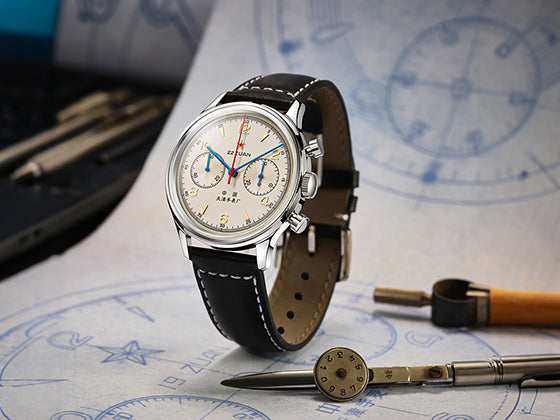
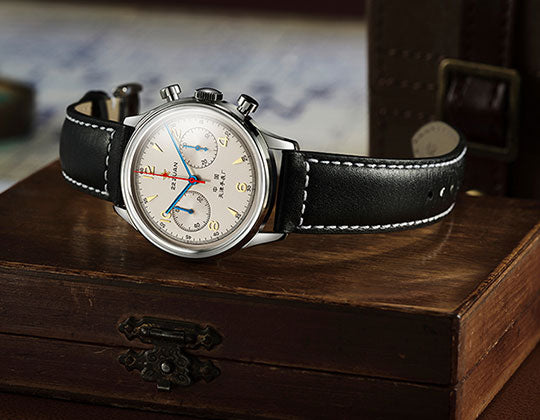
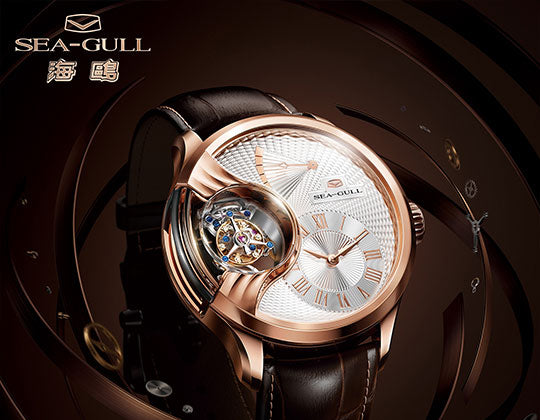
(Seagull Rattrapante Split-seconds Chronograph, ref. 418.13.1077)
Mechanical Watches Are Not Meant to Be Perfectly Precise
Unlike quartz or electronic watches, mechanical watches rely entirely on a complex system of gears, springs, and a balance wheel to keep time. Because this system is purely mechanical, a certain amount of daily time deviation is unavoidable.

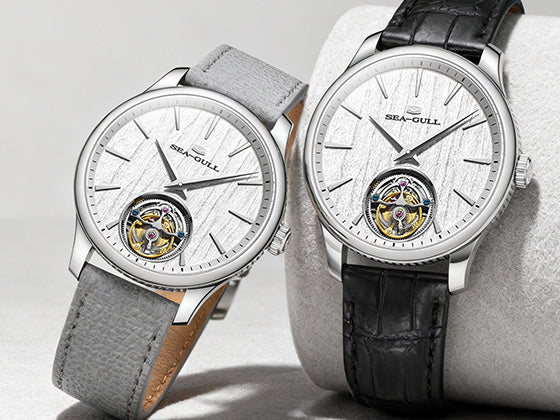
(Seagull mechanical watches are powered by in-house movements, e.g. ST1961)
Across the watch industry - whether Swiss or Chinese - standard mechanical movements generally operate within a tolerance of ±30 seconds per day. This range is considered normal and acceptable. High-end chronometer-grade movements are adjusted more precisely and can achieve tighter tolerances, often within ±5 seconds per day.
|
Industry Standard Accuracy Levels |
Standards |
|
Standard Mechanical |
±30 seconds/day |
|
Premium Grade |
±5 seconds/day |
|
COSC Chronometer |
-4/+6 seconds/day |
(Industry Standard Accuracy Levels)
|
Seagull Movement Series |
Standards |
|
ST16 |
-15~+30 |
|
ST17 |
-15~+30 |
|
ST18 |
-10~+20 |
|
ST19 |
-15~+30 |
|
ST21 |
-10~+20 |
|
ST25 |
-15~+30 |
|
ST36 |
-15~+30 |
(Seagull In-house Movement Accuracy Standards)
Why the Same Watch May Run Fast or Slow?

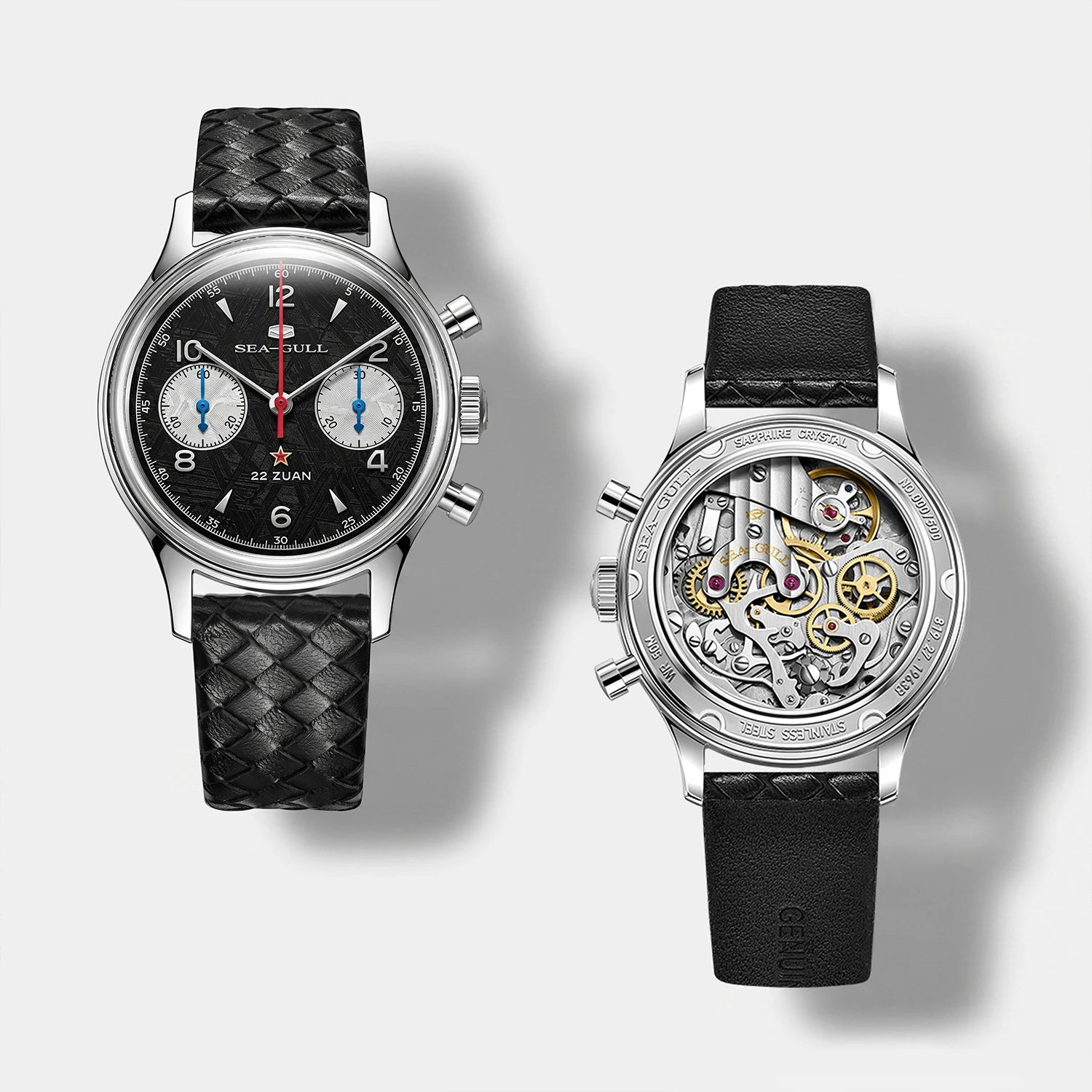
(Seagull 1963 Series D304 Chronograph Sky Voyage Edition, shot by @fufluns)
Several everyday factors influence mechanical accuracy:
Wearing position: The balance wheel is affected by gravity. A watch laid flat, placed crown-up, or worn on the wrist will behave slightly differently.
Wearing habits: Automatic watches are powered by wrist movement. More activity means a fuller power reserve, which can subtly affect timing.
Environment: Temperature changes can influence lubricants inside the movement, and strong magnetic fields (from phones or electronics) may temporarily affect accuracy.
These variations are part of normal mechanical behavior, but not defects.
How to Tell Normal Deviation from a Real Issue

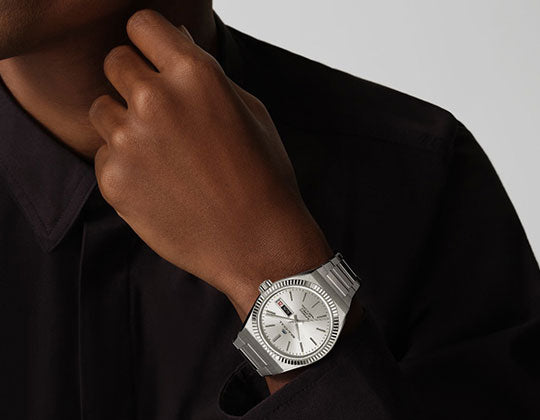
(Seagull WUYI Reissue Vintage Mechanical Watch, ref. 819.17.1070)
A practical guideline for owners:
Consistent deviation
For example, gaining or losing 10 seconds per day steadily is normal and predictable.
Sudden or extreme deviation
Large time jumps, erratic behavior, or complete stoppage may indicate the need for regulation, demagnetization, or servicing.
The Enduring Appeal of Mechanical Timekeeping

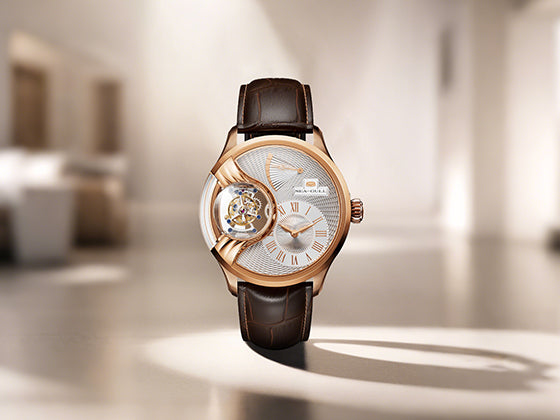
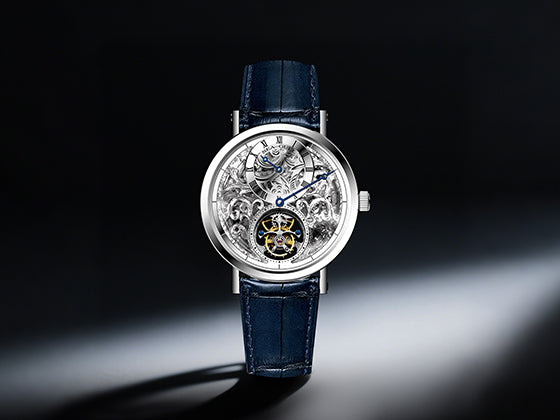
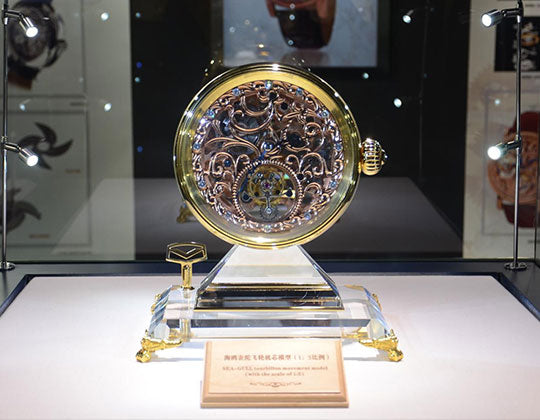
(Seagull 9.4mm Ultra-thin Automatic Tourbillon Watch, ref. 818.12.8850)
Mechanical watches are not cold, digital instruments. They respond to how and where they are worn, creating a subtle interaction between the watch and its owner. With occasional regulation and proper care, a mechanical watch can remain reliable, accurate, and enjoyable for decades.
Understanding this is the first step toward truly appreciating the art of mechanical watchmaking.
SEA-GULL WATCH
Precision. Legacy. Innovative Horology.



1 comment
Pascal Badoux
Merci pour cet article très éclairant sur la précision des montres. J’ai acquis dernièrement (et ce n’est pas la seule) une Seagull Movement Chrono Heritage SU1963SW40LUM Lumed 40mm 1963 Swan Neck Regulator, et je dois dire que ses valeurs mesurées au timegrapher m’ont réjouis. Elle me donne Un Rate de -2 et un Beat error de 0,2, ce qui pourrait la situer dans les valeurs COSC 😁
Et encore merci à votre Service après vente qui est très réactif et à l’écoute des problèmes
Meilleures salutations et bonne journée
P. Badoux
Merci pour cet article très éclairant sur la précision des montres. J’ai acquis dernièrement (et ce n’est pas la seule) une Seagull Movement Chrono Heritage SU1963SW40LUM Lumed 40mm 1963 Swan Neck Regulator, et je dois dire que ses valeurs mesurées au timegrapher m’ont réjouis. Elle me donne Un Rate de -2 et un Beat error de 0,2, ce qui pourrait la situer dans les valeurs COSC 😁
Et encore merci à votre Service après vente qui est très réactif et à l’écoute des problèmes
Meilleures salutations et bonne journée
P. Badoux