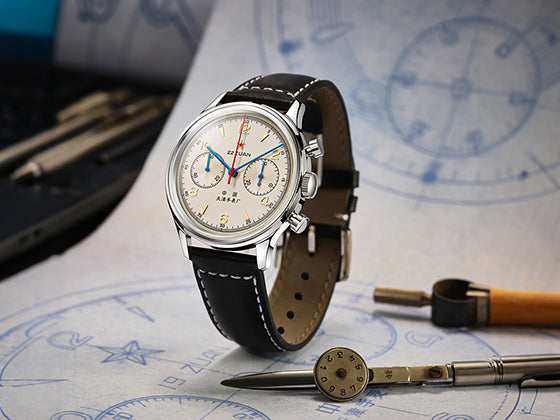

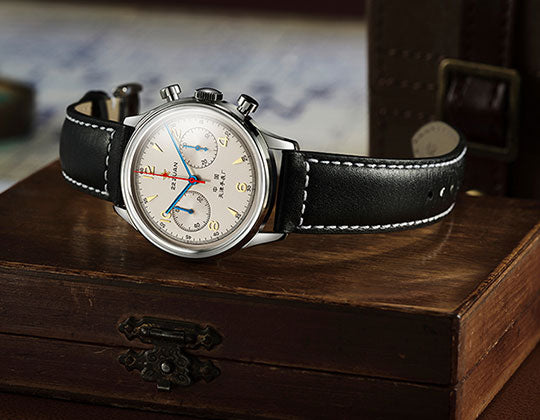

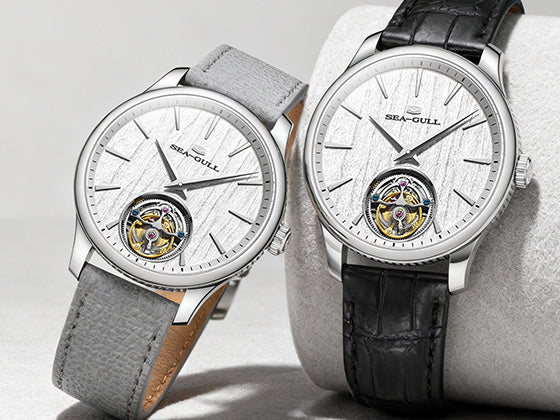
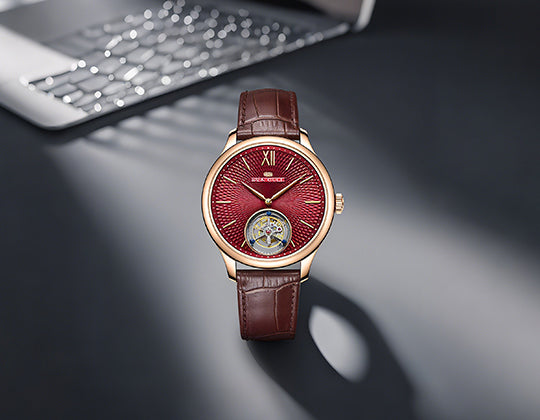


If you have ever looked at a watch specification sheet, you may have noticed a detail such as:
“21 jewels” or “31 jewels.”
These jewels are not decorative gemstones. Instead, they play a critical engineering role inside a mechanical watch movement.
What Are Watch Jewels?
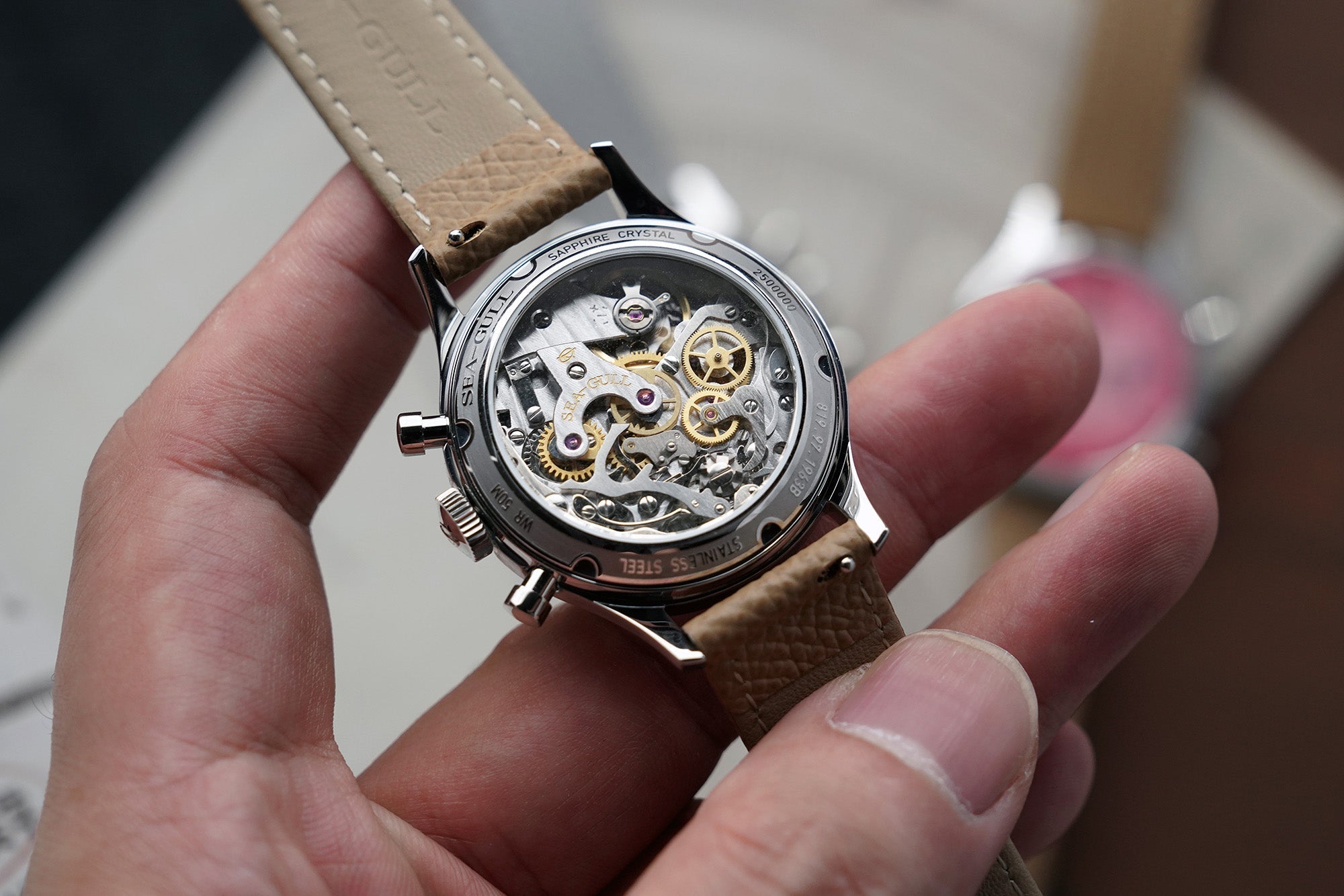
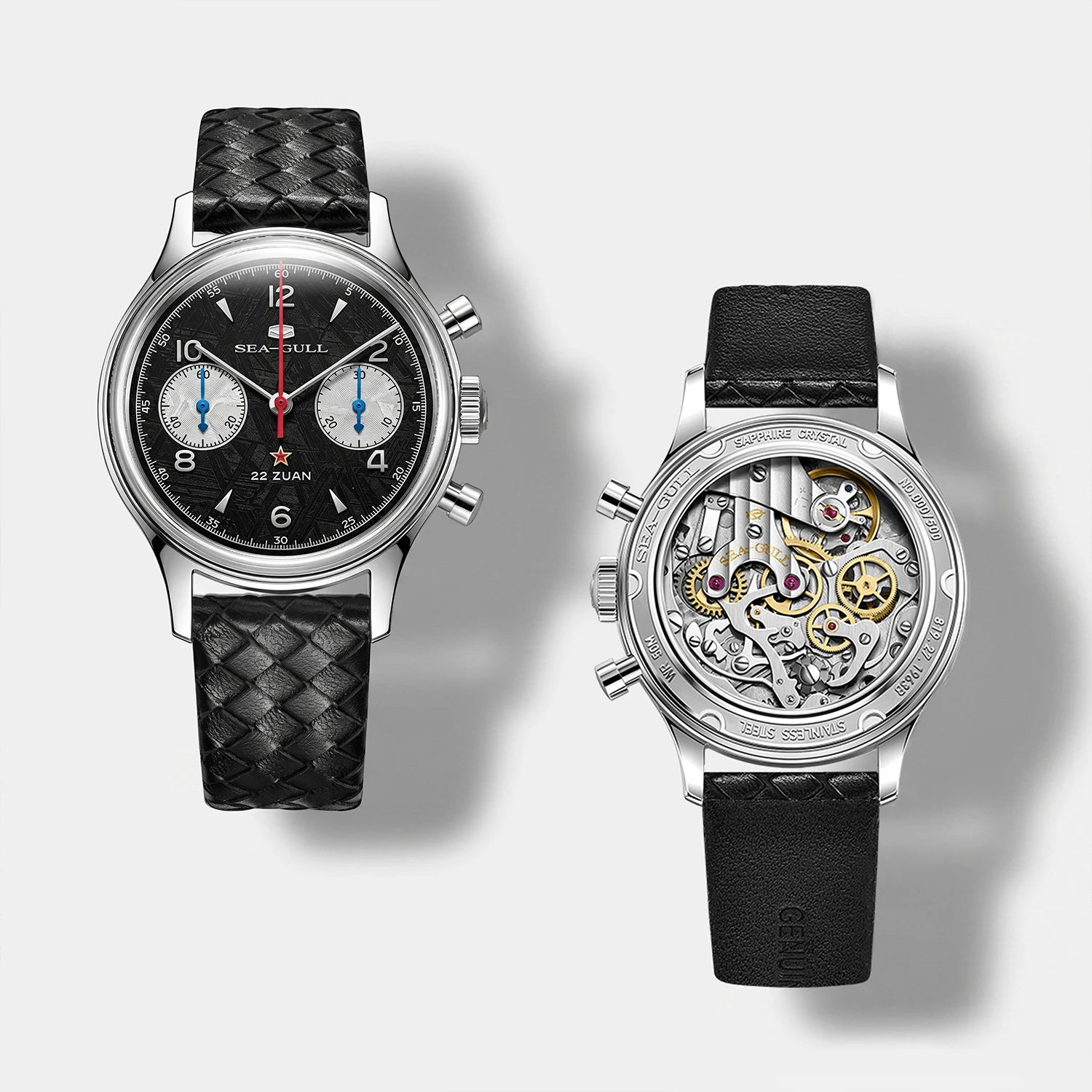
Watch jewels are small synthetic rubies used as bearings within the movement.
They support rotating components — particularly gear pivots — and reduce friction between metal parts.
Because mechanical watches operate continuously for years, minimizing wear is essential. Jewels provide a smooth, durable surface that allows components to move efficiently over long periods of time.
Why Rubies?
Synthetic ruby is used because of its exceptional physical properties:
- Extremely hard and wear-resistant
- Low friction against metal pivots
- Resistant to temperature changes
- Highly stable over decades of operation
These qualities make ruby an ideal material for precision mechanical systems.
Where Are Jewels Used?
Jewels are typically placed at points of highest friction within the movement, including:
- Gear train pivots
- Escapement components
- Balance wheel bearings
In some movements, additional jewels are used to improve durability or efficiency in more complex mechanisms.
Does More Jewels Mean a Better Watch?
Not necessarily.
A higher jewel count does not automatically indicate higher quality. Instead, the number of jewels should correspond to the functional needs of the movement.
For example:
- Simple time-only movements may use 17–21 jewels.
- Automatic movements often require 21–26 jewels.
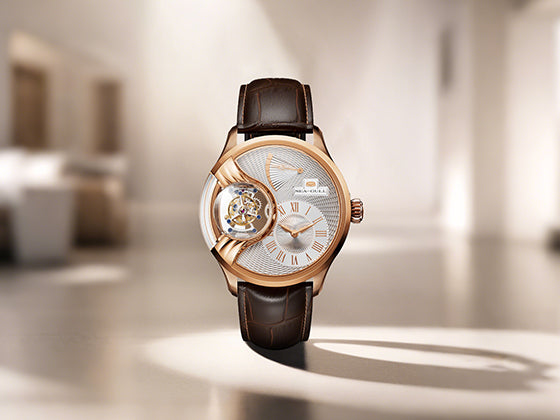
- Complicated movements may include 30+ jewels to support additional mechanisms.
Proper engineering matters far more than jewel quantity alone.
Jewels and the Evolution of Watchmaking
The introduction of jeweled bearings was one of the most important advancements in horology. Early watches suffered from rapid wear due to metal-on-metal friction, limiting accuracy and lifespan.
The adoption of jewel bearings dramatically improved durability, enabling mechanical watches to achieve long-term precision and reliability — a standard that continues today.
Small Components, Essential Role
Although tiny and often invisible to the wearer, jewels are fundamental to how a mechanical watch functions.
They represent a perfect example of watchmaking philosophy: small refinements in engineering can produce significant improvements in performance. Behind every smooth sweep of the seconds hand lies a network of precisely placed components working together to reduce friction and preserve accuracy over time.