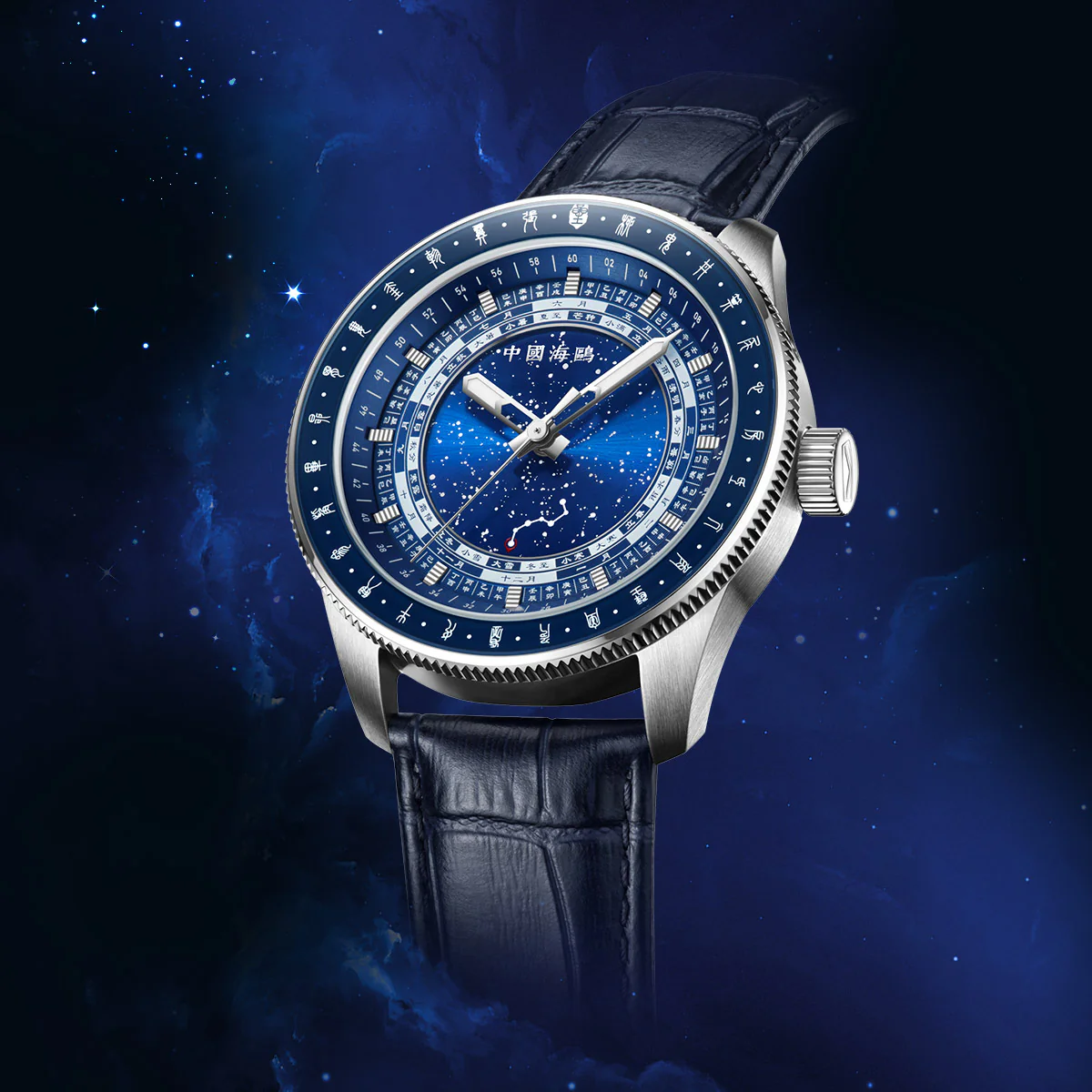

Mechanical watches have fascinated people for centuries. Long before batteries and digital displays, watchmakers developed intricate systems of gears, springs, and oscillating components capable of measuring time with remarkable precision, powered entirely by mechanical energy.

Today, mechanical watches aren’t just tools for telling time, but as expressions of engineering, craftsmanship, and cultural heritage. But how exactly does a mechanical watch work?
This guide explains the fundamentals behind mechanical watchmaking in a clear and accessible way.
The Core Idea: Time Powered by Energy

At its simplest, a mechanical watch converts stored energy into controlled motion.
Unlike quartz watches, which rely on electronic circuits and batteries, a mechanical watch operates entirely through physical components. Energy is stored, released gradually, and regulated through a precisely engineered system that allows the watch hands to move at a constant rate.
Every mechanical watch is built around four essential systems:
1. Energy Source – where power is stored
2. Gear Train – how power is transmitted
3. Escapement & Regulator – how time is controlled
4. Display System – how time is shown

Together, these elements form what is known as the watch movement, often considered the “heart” of a mechanical watch.
1.The Mainspring: Storing Energy
The energy of a mechanical watch comes from a tightly coiled metal spring called the mainspring.

When you wind the watch — either manually or through wrist motion in an automatic watch — the mainspring tightens and stores potential energy. As it slowly unwinds, it releases energy in a controlled manner to power the movement.
The amount of stored energy determines the watch’s power reserve, usually anywhere from 40 to 72 hours, depending on the design.
2. The Gear Train: Transmitting Power
The energy released by the mainspring cannot directly move the hands. Instead, it passes through a sequence of gears known as the gear train.

These gears serve two purposes:
- Transfer energy throughout the movement
- Reduce speed so time can be measured accurately
Through carefully calculated gear ratios, the system converts rapid spring motion into predictable rotations, allowing seconds, minutes, and hours to be displayed correctly.
3. The Escapement: Controlling Time
Without regulation, the mainspring would unwind almost instantly. The component responsible for controlling energy release is the escapement.
The escapement teams up with the balance wheel, a tiny wheel that swings back and forth at a steady rhythm. Each oscillation releases a small, measured amount of energy, producing the familiar ticking sound of a mechanical watch.
This repeating cycle divides time into equal intervals, ensuring consistent timekeeping.
4. The Balance Wheel: The Watch’s Timekeeper
Often compared to a pendulum in a clock, the balance wheel acts as the watch’s timing regulator.

Its oscillation frequency — commonly measured in vibrations per hour (vph) — determines how smoothly and accurately the watch runs. Modern mechanical watches often operate at:
- 21,600 vph (classic frequency)
- 28,800 vph (higher stability and precision)
The stability of this oscillation is essential for accuracy and represents one of the most refined achievements in mechanical engineering.
Manual vs Automatic Mechanical Watches

Winding the crown stores energy V.S. Wrist motion winds the watch>>
Mechanical watches come in two primary types:
- Manual-Wind Watches
The wearer winds the crown regularly to store energy in the mainspring.
- Automatic Watches
A rotating weight, called a rotor, winds the mainspring automatically using wrist motion during daily wear.
Both systems rely on the same mechanical principles; the difference lies only in how energy is generated.
Why Mechanical Watches Still Matter
In an age dominated by smart devices and digital precision, mechanical watches continue to thrive for reasons beyond accuracy.

They represent:
- Human engineering without electronics
- Traditional craftsmanship preserved through modern manufacturing
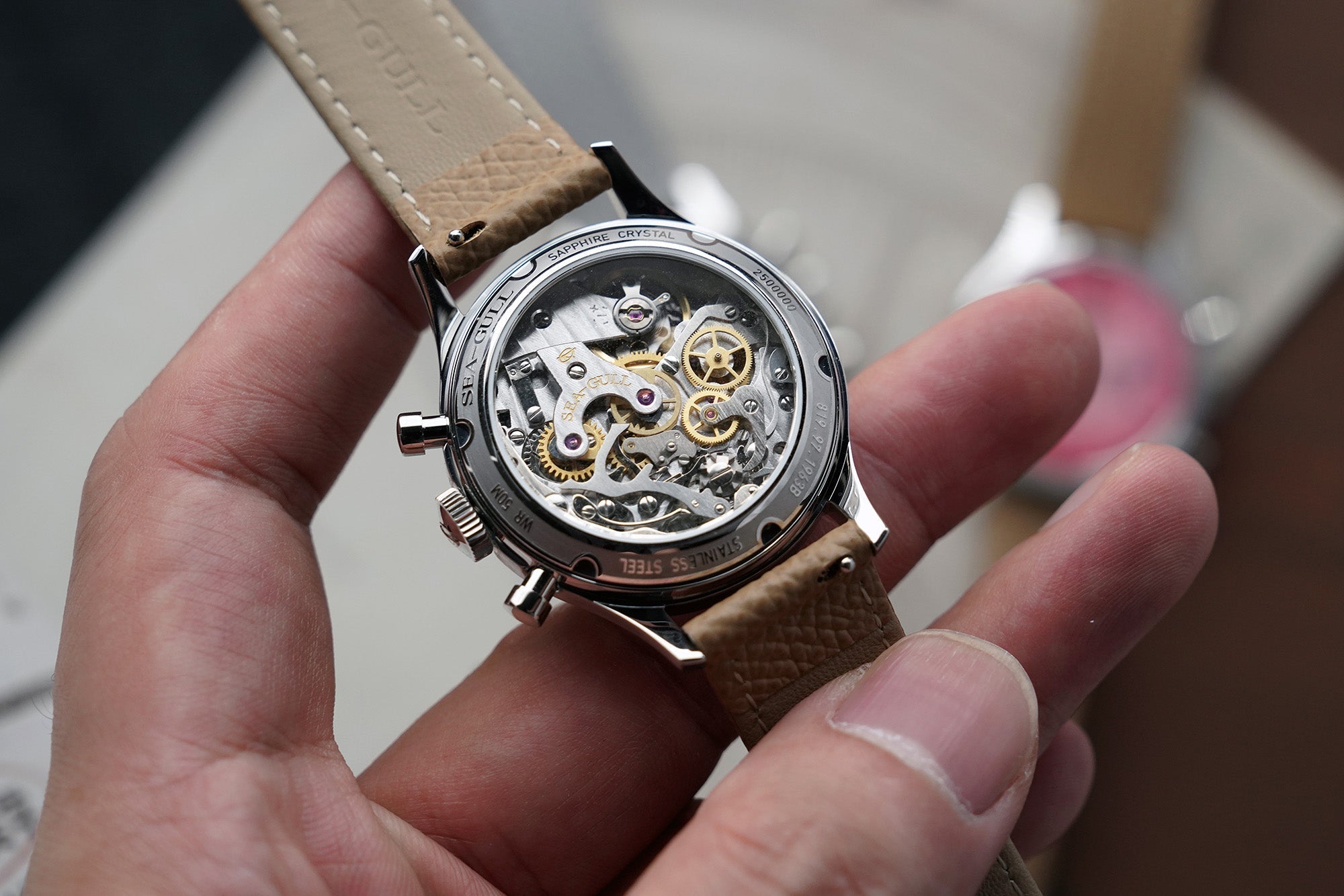
- Mechanical artistry visible through movement design and finishing
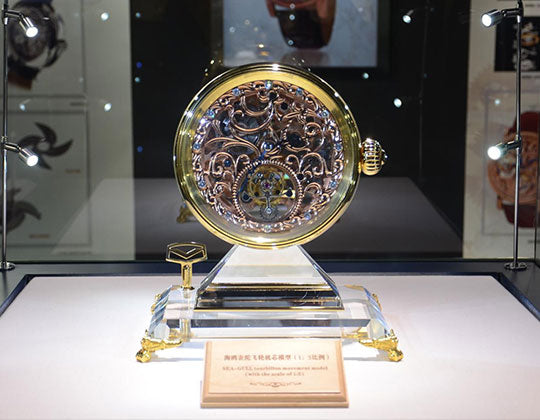
Each movement is a miniature machine, often composed of over a hundred components, yet still working in harmony on the wrist.
The Beginning of a Deeper Journey
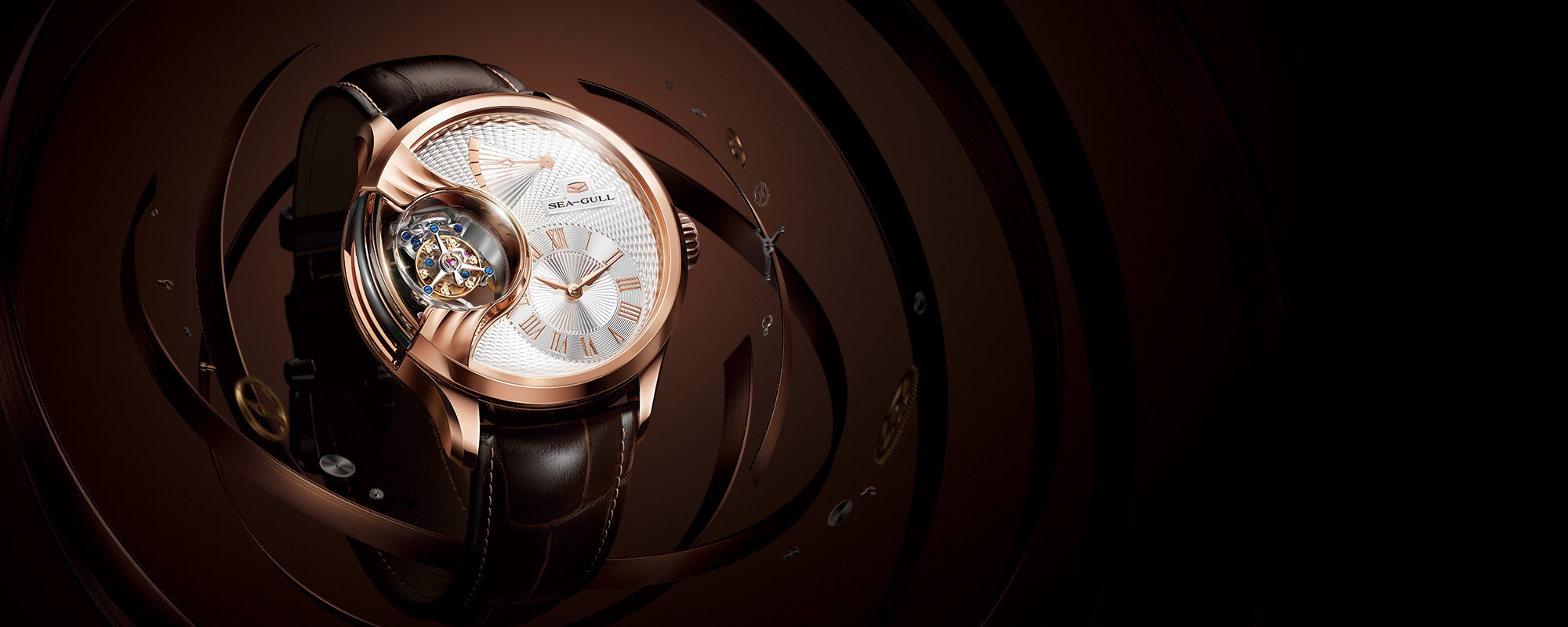
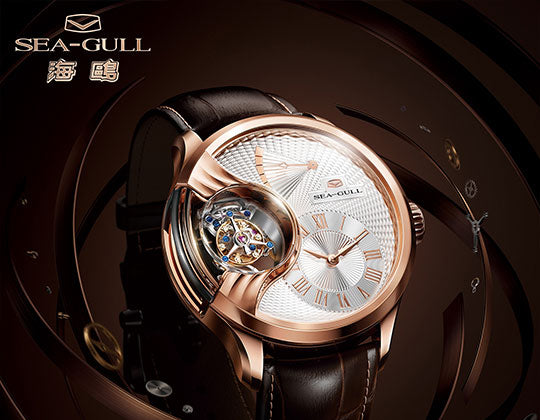
Understanding how a mechanical watch works is the first step into the broader world of horology. From chronographs and moon phases to tourbillons and grand complications, all advanced watchmaking builds upon the same foundational principles explained here.
In future guides, we will explore these mechanisms in greater depth, revealing how modern watchmaking continues to evolve while preserving centuries-old mechanical traditions.